What I Discovered – and How it Impacts You – at the National Speakers Association Convention
I’m returning home from Orlando after attending the National Speakers Association’s 50th annual convention. (I frequently make the joke that it’s a conference with more than 1,000 speakers but no listeners.)
While it was a remarkable experience that allowed me to renew friendships with many of the top content creators and thought leaders worldwide, it also got me to consider a crucial issue: Why should a business owner or leader seek advice and input from someone outside her company?
It can be tempting to think that you have all the answers and that you can handle every aspect of your business on your own. You work in the business every day, and an outsider will never have the level of detailed knowledge of your specific business as you.
However, listening to outside expertise can provide valuable insights and help you make informed decisions that will ultimately strengthen your business. Here are five reasons why an outside consultant, author, or speaker can help you grow your business:
One of the main benefits of listening to outside expertise is that it allows you to gain a fresh perspective on your business. You may be too close to the day-to-day operations of your business, making it difficult to see areas for improvement. An outside coach, consultant, or speaker can bring a new set of eyes and a different perspective, helping you identify areas that you may have overlooked.
Industries are constantly evolving, and it can be challenging to keep up with the latest developments on your own. Outside expertise can help you stay up-to-date with the latest trends and best practices in your industry. An author, consultant, or seminar leader may provide you with valuable insights into what is working and what is not, helping you stay ahead of the competition.
Making better decisions is yet another advantage of seeking out outside knowledge. It is challenging to make choices that will impact the entire company when you are a business leader, as you have many responsibilities. An outside specialist may offer you data-driven insights and recommendations based on best practices in your sector, assisting you in making decisions that are best for your company.
Engaging outside expertise can help you improve your leadership skills. A business coach or mentor can provide you with guidance on how to motivate your team, communicate effectively, and build a positive company culture. They can also help you identify areas where you may be struggling as a leader and provide you with strategies to improve.
Finally, coaches, consultants, and speakers can help you increase your confidence as a business owner. When you work with an outside expert, you can rest assured that you’re getting the best advice and guidance possible. This can give you peace of mind and increase your confidence in running your business successfully.
Outside expertise is essential for building a stronger business. There were many experts at the National Speakers Association convention who could help you gain a fresh perspective, stay up to date with industry trends, make informed decisions, improve your leadership skills, expand your network, and increase your confidence. Don’t hesitate to seek out outside expertise – it could be the key to taking your business to the next level.
And, please remember – if you seek the insight of a consultant or coach, or if your next meeting needs a speaker – I’m here to help you create distinction and deliver an Ultimate Customer Experience.®
Several years ago, a Canadian musician’s $3500 Taylor guitar was severely damaged by baggage handlers from United Airlines. When Dave Carroll couldn’t get the airline to take responsibility for what they had broken, he made a music video that was viewed by millions on YouTube, creating a public relations nightmare for United.
Wikipedia reports, “It was widely reported that within four weeks of the video being posted online, United Airlines’ stock price fell 10%, costing stockholders about $180 million in value.” (That would’ve bought over 51,000 replacement guitars!)
I bring this up because a couple that lives near us in Las Vegas had a terrifying incident at a local Starbucks. Lauren Weyand writes on Nextdoor:
“5 or 6 teenage kids came in shirtless, shoeless, and screaming profanities at each other…using incredibly vulgar language and pulling all of the food products out of the fridge section with no intention to buy anything. They asked the cashier for large water, one for each of them. Each of them was given water. They were heading out of the store.
My husband saw them line up — waters in hand — and said, ‘Ready, go!’ Before I knew it, I was hit in the head with a water cup. Two large cups of water doused our computers and us. We were startled and overwhelmed by what had happened. The whole store acknowledged the incident and asked us if we were okay. The Starbucks staff said nothing and started mopping up the mess. Nobody contacted the police or managers to ask for help with the situation that had just occurred.”
Weyand continues that she and her husband later returned to Starbucks to speak to the manager about what had happened. They were told they could not have video of the incident, and no police report had been filed because an employee got tired of waiting for the police to answer the phone, so they hung up and didn’t try again. The manager then led them to the door and told them more information would be forthcoming.
Look, we could turn this issue into a political or generational topic and press hot buttons all day long. Let’s not – that isn’t what this commentary is about.
At the current point, the Weyands must buy two new laptop computers, as neither of the ones they were using at Starbucks is now working because of the water damage. The Starbucks helpline – using the term “help” a bit loosely here – told them the case was closed and had been resolved, even though nothing was truly handled. From Weyand’s perspective, Starbucks has chosen the profane, shirtless troublemakers who threw water in their store over two loyal customers.
When I contacted Lauren Weyand, she confirmed that Starbucks remains silent – which she understandably perceives as a lack of concern and commitment for their customers.
In the frequently negative world of social media, some are questioning if Starbucks has any liability in this matter. I’m not a lawyer, so I don’t know the correct answer – but the important issue is that we should care less about liability and be more concerned about the customer experience.
What did United do in the wake of the PR disaster over the music video, “United Breaks Guitars”? As I relate in my new book, “The Ultimate Customer Experience,®” they licensed the video from Carroll to use in their training curriculum. They’ve hired him to speak at meetings for them to emphasize the importance of the customer experience.
And United’s share price has gone from $3.25 when Carroll’s video was the hottest thing on YouTube to closing today at $53.34! That’s what happens when you listen to your customers, learn from your mistakes, set things straight with those you have wronged, and focus on the Ultimate Customer Experience!
Starbucks may save a couple of grand by staying silent and not offering the Weyands replacement laptops, hoping they’ll just give in and give up. But just like United discovered how they could be “penny wise and pound foolish,” we’ve seen from experience that ANY business, no matter their size, can get on the wrong side of the public and lose millions when basic empathy and concern for the customer is ignored.
Every customer has a right to presume they aren’t going to have water thrown at them and have their computers ruined because they chose to do business with you.
So, what should Starbucks do? I’d suggest the minimum is that they apologize, replace the laptops, and provide the Weyands with a couple of gift cards with handsome amounts attached.
(They might also increase security so that shirtless, shoeless individuals can’t enter their stores in violation of health ordinances…and provide the store’s video to the police so they can press charges.)
Starbucks should learn from its mistake. Because they didn’t get it right, they should take advantage of the opportunity to make it right. If they fail, they may discover more people than a nice couple here in Vegas who are beginning to question if it’s worth a trip to get coffee from them, as opposed to their competition, if the experience is going to be so inferior – even problematic.
(Full disclosure: I’ve had the privilege of working with United and consider their Chief Customer Officer, Linda Jojo, a friend.)
The Ultimate Customer Experience® book is now available – get yours today!
Look, I realize that I’m prejudiced. However, I genuinely believe that in today’s world, the customer experience is everything.
Customers, whether B2B or B2C, expect to be treated with respect, courtesy, and efficiency when interacting with your organization. Unfortunately, this is not always the case.
Many companies fail to deliver the Ultimate Customer Experience®, leaving customers frustrated and unsatisfied. Let’s examine three reasons why the consumer experience in so many enterprises is so terrible.
Lack of Training
Lack of training is one of the primary reasons why the consumer experience of so many enterprises is terrible. The majority of companies do not devote enough time or money in educating their employees to provide the type of customer service that generates repeat and referral business. Training is necessary for employees to learn how to effectively manage difficult consumers and resolve issues. Failure to do so results in lengthy wait times, incorrect orders, and an overall negative consumer experience. When employees lack the skills and knowledge necessary to provide a positive customer experience, the company suffers.
Training should be continuous and consistent, as well as tailored to the specific requirements of the organization and its customers. It is not nearly enough to conduct a single training session and then forget about it. Regular updates and feedback should be provided to employees to develop their skills and ensure customer satisfaction.
“No organization would invest in an activity—or ask their employees to invest in an activity—in which they had little interest! Just as you wouldn’t buy season tickets to the games of a sports team you didn’t care about, or you wouldn’t watch every episode of a television show you didn’t enjoy, your company would not have given you this book if they weren’t interested in this content and focused on your important role in enhancing customer experience.”
Unfortunately, it is often the case that companies who claim to be “all in” on the customer experience are not. If they were, they would properly invest in the training and education that ensures their frontline teams can deliver what their marketing promises.
Inadequate Communication
Inadequate communication is another reason why the consumer experience of so many businesses is so poor. When customers have questions or concerns, they want to be able to communicate with the business easily and quickly. However, many businesses do not provide adequate communication channels for their customers. This can result in frustration and discontent as customers can feel ignored and insignificant.
Effective communication is crucial for a positive customer experience. Businesses should provide multiple channels for customers to communicate, such as email, phone, and chat. Customers should be able to reach the business easily and receive a prompt response. Additionally, part of the previously mentioned training should include effective communication skills, such as active listening and clarity in communication. This will improve customer satisfaction and loyalty.
Lack of Empathy
A lack of empathy is the third reason the customer experience is so awful from so many businesses. It’s one of the five steps to an Ultimate Customer Experience from my forthcoming book.
Employees who lack empathy may not be able to relate to their customers’ concerns or emotions. This can lead to a lack of understanding and a failure to provide the level of service that customers expect. Customers want to feel heard and understood, and when businesses fail to provide this, they are likely to lose customers.
Empathy is the ability to understand and share the feelings of others. It is essential for employees to have empathy when interacting with customers. This means actively listening to their concerns, showing understanding and compassion, and taking action to resolve issues. Businesses should foster a culture of empathy and understanding, starting with hiring employees who possess these qualities. Additionally, businesses should provide ongoing training to reinforce empathy and customer service skills.
The Ultimate Customer Experience® is essential to the success of any business. Unfortunately, many businesses fail to provide it, leaving their customers feeling frustrated and dissatisfied. When businesses prioritize the customer experience, they will see increased customer engagement, loyalty, and, ultimately, success.
In today’s competitive business landscape, you must constantly innovate and adapt to stay ahead of the curve. One of the most critical aspects of this is providing an Ultimate Customer Experience® (UCX). A UCX can be the difference between a thriving business and a struggling one. Let’s explore the importance of customer experience, how to transform your business by implementing the Ultimate CX, and the benefits that come with this transformation.
The Importance of Customer Experience
As you know, customer experience is the sum of all interactions a customer has with a company, from their first encounter with you to their most recent interaction. It is a crucial factor that determines whether a customer will become a loyal advocate or a dissatisfied critic. Research has shown that companies that prioritize customer experience are more likely to experience higher revenue growth, increased customer retention, and improved customer satisfaction.
In fact, a study by Forrester Research found that companies that excel at customer experience grow revenues 5.1% faster than those that do not. Furthermore, a Temkin Group report discovered that companies earning $1 billion annually can expect to earn an additional $700 million within three years of investing in customer experience.
Transforming Your Business with the Ultimate Customer Experience
You must focus on creating the Ultimate Customer Experience to unlock explosive growth for your business. Here are five key tactics to help you achieve this transformation:
Know your customers: Understand your target audience’s needs, preferences, and pain points. Conduct surveys, interviews, and focus groups to gather valuable insights that will help you tailor your products, services, and communications to meet their needs better.
Create a customer-centric culture: Encourage every member of your team to prioritize customer satisfaction. Provide training and resources to help employees understand the importance of customer experience and how they can contribute to its improvement.
Map the customer journey: Identify all touchpoints where customers interact with your business, from initial awareness to post-purchase support. Analyze each touchpoint to identify areas for improvement and create a seamless, consistent experience across all channels. Then the critical factor is training and engaging every team member to deliver the desired experience at each step of your customer’s journey.
Leverage technology: Utilize tools and technologies that can enhance the customer experience, such as chatbots, CRM systems, and analytics platforms. These tools can help you personalize interactions, streamline processes, and continuously gather valuable data to improve your UCX strategy.
Measure and optimize: Regularly evaluate your customer experience efforts by tracking key performance indicators (KPIs) such as net promoter scores and customer retention rates. Use this data to identify areas for improvement and make data-driven decisions to optimize your CX strategy.
The Benefits of the Ultimate Customer Experience
By implementing the ultimate customer experience, your business can unlock numerous benefits, including:
Increased customer loyalty: A positive customer experience fosters trust and loyalty, leading to repeat business and long-term customer relationships.
Positive word-of-mouth: Satisfied customers are more likely to share their experiences with friends and family, driving new business through referrals and recommendations.
Competitive advantage: In a crowded market, providing an Ultimate Customer Experience can set your business apart from competitors and help you gain market share.
Reduced customer churn: By addressing customer pain points and providing a seamless, enjoyable experience, you can reduce the likelihood of customers leaving for a competitor.
Higher profitability: Companies that excel at customer experience enjoy higher revenue growth and increased profitability.
A recession is a distinction test for every business.
If you stand out from your competition, you earn their continued trust and engagement. However, if you offer nothing that separates you from the pack, you will fail to inspire them to spend money with you when times are tighter than before. The Ultimate Customer Experience® is your primary tool to win when the economy slows down.
Prioritizing the customer experience is crucial for businesses looking to unlock explosive growth. By understanding your customers, creating a customer-centric culture, mapping the customer journey, leveraging technology, and measuring and optimizing your efforts, you can transform your business and enjoy the benefits that come with providing the Ultimate Customer Experience.
In my first business book, “ALL Business is Show Business,” I wrote about the importance of emotion in creating and delivering the Ultimate Customer Experience.®
Emotions are powerful drivers of behavior–and they have been since the beginning of time. It seems that we’re hardwired to feel certain ways when we encounter certain stimuli: we feel happy when we see beauty; we become sad when someone close passes away; angry when someone does something unfair or wrong; and fear activates our fight-or-flight response when faced with danger.
When you think about it, emotions are what causes customers to fall in love with your product or service — and emotions keep them coming back time and again.
Emotions drive people to share their experiences with others, which will grow your business by increasing awareness and word-of-mouth referrals. If your customers are experiencing strong emotions when interacting with you — whether positive or negative — they’ll be more likely to remember those feelings later when making purchase decisions.
This means that a focus on emotional design is an important part of the customer experience. It can help you create a positive image and improve the overall experience for your customers.
Emotional design helps build trust by creating a heightened emotional connection between you and your customers, making them more likely to purchase from you. This connection can also help increase loyalty among existing customers by reinforcing their positive feelings toward your company or product line.
Research shows that consumers who feel positively about a company are more likely to recommend it on social media platforms as well as through word-of-mouth recommendations. This would mean there is less need for advertising expenses because your emotional design increases brand awareness without additional marketing investment required!
The future of emotional design for you and your organization is in your hands. Start by using data as a tool for understanding what people say they feel and how their emotions affect their behavior and decision-making processes. Once you’ve got that information at hand, use technology (like chatbots, for instance) to improve how customers interact with each other and with businesses like yours — then measure the results.
If you want to deliver an Ultimate Customer Experience® so your organization gains more repeat and referral business, consider the importance of designing how you can enhance the emotional engagement that a customer has with you with as much passion and precision as you seek to delineate their customer journey.
Pre-order my new book, “The Ultimate Customer Experience ®” for your company and receive some extraordinary benefits! Contact us for more information.
If your goal is to provide an Ultimate Customer Experience®, here are five ideas that could help you achieve your target. However, there are always reasons NOT to take action – so I’m going to go a bit backward and present “Cons and Pros.” First, you’ll see a reason why you should not take the recommended step, followed by an incentive to overcome the potential objection.
Implement a personalized experience: Customers want to feel special and recognized, and using their data to personalize their experience can go a long way. This includes personalized recommendations, customized offers, and tailored communication.
Cons: Personalization requires access to customer data, which can raise privacy concerns if not handled properly.
Pros: Customers feel valued and appreciated, leading to increased loyalty, spending with your organization, and enhanced engagement.
Offer a seamless omnichannel experience: Customers expect to be able to interact with your company through various channels, from social media to email to phone. Ensuring a seamless experience across all channels can improve customer satisfaction.
Cons: Maintaining consistent messaging and branding across channels can be challenging and requires investment and commitment.
Pros: Customers will be able to interact with your brand in a way that is most convenient for them, leading to increased engagement and satisfaction. How can it be an Ultimate Customer Experience if it’s difficult for customers to connect with you in the manner they desire?
Continuously gather feedback and improve: Customers want to know that their voice is heard and that the brand is listening to their feedback. Continuously gathering feedback and using it to improve the customer experience can lead to a better overall experience.
Cons: Gathering and analyzing feedback can be time-consuming and resource intensive.
Pros: Customers feel heard and valued, leading to repeat and referral business – the lifeblood of profitability.
Create a community: Customers want to feel like they are part of something bigger than just a transaction. Creating a community around your brand through social media, events, and other initiatives can foster a sense of belonging and connection.
Cons: Creating and maintaining a community can take a lot of effort and monitoring. You need to have team members ready to respond when your customers provide input.
Pros: Customers feel a sense of loyalty to the brand and are more likely to advocate for it. If “word-of-mouth marketing” is truly impactful, this is a dynamic way to stimulate more of it.
Deliver the Ultimate Customer Experience®: Customers now expect quick and effective solutions to their problems. Providing support, offering multiple channels for customer service, and empowering employees to make decisions can all contribute to a positive customer service experience. It’s your primary opportunity to improve retention and referrals – and create the kind of organizational culture that inspires productivity from your team.
Cons: Providing this level of high-quality customer experience can require additional training and investment.
Pros: Customers feel heard and valued, leading to increased loyalty and repeat business…and profit!
You can always find a reason not to do what needs to be done to deliver an Ultimate Customer Experience.® However, for every action, there is an ROI. As I’ve written before, ROI can mean what we customarily assume – Return on Investment – or it can have another impactful meaning: Return on Inaction.
What if your competition decides an investment in the Ultimate Customer Experience® is worthwhile – and you do nothing? What if your customers become attracted to your competition because they are serving them at a higher level where they feel known, heard, and valued?
The “pros” of the Ultimate Customer Experience outweigh the “cons” – and by a significant margin. Now the question becomes, what action will you take?
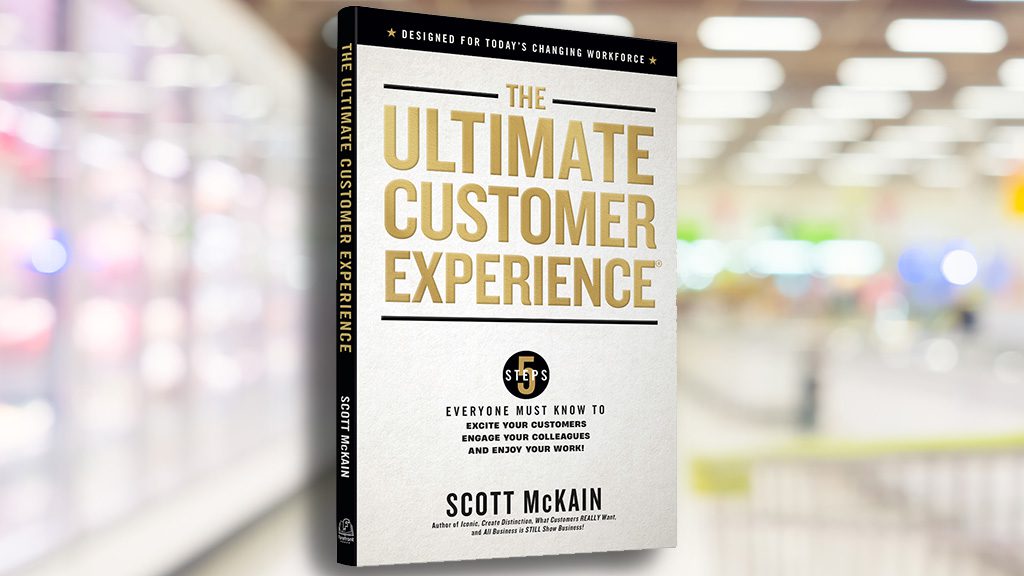
My new book is about eight weeks from release – and it’s titled (as you might expect) “The Ultimate Customer Experience: 5 Steps Everyone Must Know to Excite Your Customers, Engage Your Colleagues, and Enjoy Your Work.”
This book is NOT about theories, complex strategies, or customer journey maps. It’s about the five steps that every organization must ensure that each team member knows in order to create the kind of customer experience that ensures repeat and referral business.
It’s available for price-protected pre-order from Amazon and other retailers now: